6 lessons from Stimpee's Rust streamer server experiment on Rust Isles
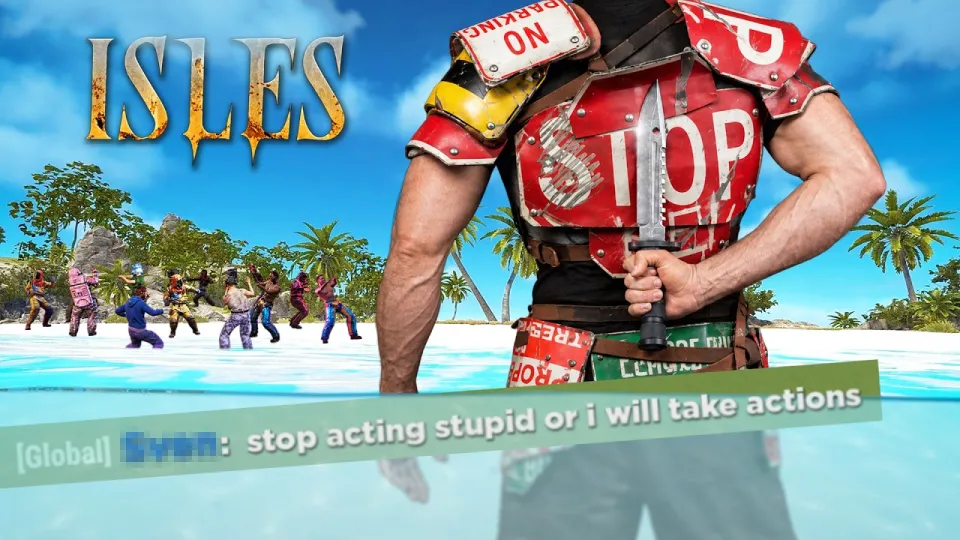
Video: Not Another Rust Streamer Server
You can order the same kind of articles for your own video to boost it on YouTube and Google. Just message the Telegram bot @sat_sit_bot. The bot writes and publishes the articles itself (with your YouTube video embedded) on popular topical websites (no ads). Your first 50 articles are free.
· based on the channel Stimpee
Rust streamer servers are private, whitelisted worlds where invited content creators play together under admin supervision and extra rules, and Stimpee's Rust Isles run shows exactly how that setup changes the game. After years away from that format, he joined an invite-only pirate-themed server and the result was a case study in what happens when a dedicated troll meets a curated roleplay environment. You can follow his live sessions on his Twitch channel to see how the format plays out in real time.
What a Rust streamer server actually is
A Rust streamer server is a closed server where access is granted by invitation rather than by whitelist application or public connection, and that single fact reshapes every interaction on the map. On Rust Isles the population is small, everyone knows everyone, and the admins are present as players and moderators at the same time. That means the usual Rust anonymity is gone: your reputation travels faster than your loot, and a betrayal is remembered by the whole lobby rather than by one angry neighbour.
The trade-off is visibility. A streamer server exists to produce content, so events, gatherings and staged conflicts are common, and the admins often intervene to keep the world running. For a solo player used to public servers, the experience feels less like Rust and more like a small town where the sheriff also runs the shop.
Why Stimpee's arrival was treated as an event
Stimpee has a long reputation in Rust for trolling, trap bases and chaotic raids, so his presence on an invite-only server was always going to be a stress test for its rules. Viewers immediately framed it as releasing a troublemaker into a carefully managed playground, and the footage backed that up: admins were reportedly watching him closely at gatherings and even going through his inventory to strip weapons.
That kind of oversight is normal on curated servers, but it reveals a real tension. The server wants memorable moments, and Stimpee reliably delivers them, yet those moments often break the social contract the rest of the lobby agreed to. When moderation treats one player's gear as a problem to be solved, the content that made the server interesting is also the content being suppressed.
The clan problem: loyalty without a contract
Clan recruitment on streamer servers is often informal, and the pirate-themed setting made that worse, because a server built around raiding and theft still expected crew loyalty. In the run, Stimpee was brought into a crew without much screening, then hijacked a boat and left the group stranded, which triggered an argument in chat that outlasted the actual betrayal.
The lesson is structural rather than personal. If a server's rules forbid or punish stealing between crew members, that rule needs to be stated before recruitment, not enforced after the fact. Roleplay thrives on consequences, and a stranded crew on an island is a better story than a chat complaint. Servers that want piracy should expect pirates.
How admins handle a known troll
Admin attention follows reputation, and on a small server that attention is visible to everyone watching the stream. Inventory checks, gear removal and direct supervision are all tools admins use to keep a curated world stable, but each one carries a cost: it tells the audience that the sandbox has a ceiling.
For players considering a streamer server, the practical takeaway is to learn the moderation style before committing. Ask whether admins intervene in fights, whether they remove items, and whether disputes are settled in character or in chat. On public servers those questions rarely matter, but on an invite-only world they decide what kind of game you are actually playing.
What solo players can learn from curated worlds
Solo play on a streamer server is a different discipline than solo play on a public wipe, because the threat model changes from random raiders to known personalities. Numbers still matter, but information matters more: who is allied with whom, which crew has admin favour, and which players are protected by the content value they generate.
A solo player who understands that map can survive by being useful rather than threatening. Trading, building in low-traffic areas and avoiding public betrayals works better than picking fights with groups that will simply call for moderation. The same instincts translate to normal Rust servers, where reputation and diplomacy often outlast raw farming efficiency.
Where roleplay rules and Rust mechanics collide
The friction on Rust Isles comes from mixing survival mechanics with social expectations, and the pirate theme makes that contradiction obvious. Rust rewards theft, deception and offline raiding; roleplay servers reward character consistency and consent. When a player steals a boat, one side sees a legitimate pirate move and the other sees a broken promise.
Servers resolve this in different ways, from written rules to soft social pressure, but the cleanest solution is transparency. If betrayal is allowed, say so and let crews defend themselves. If it is not, define what counts as betrayal before the first raid. Ambiguity is what turns a good story into a chat argument.
Useful links
- Stimpee on Twitch — live Rust streams and streamer server sessions
- Stimpee on Twitter — schedule and clip announcements
- Stimpee on Instagram — short-form highlights
- Stimpee's Discord — community chat and server news
Final thoughts
Stimpee's return to a streamer server after years away works as a compact lesson in server design, because it shows how quickly curated rules meet uncurated behaviour. The channel Stimpee built its reputation on trolling and trap bases, and dropping that playstyle into an invite-only roleplay world exposes every unwritten assumption the admins made. For viewers the appeal is obvious: a small lobby of familiar faces produces drama no public wipe can match. For players, the takeaway is to read the rules, understand the moderation style and decide whether you want a sandbox or a stage. If you want to see how it plays out live, follow Stimpee on Twitch and judge the next server for yourself.
Key takeaways
- Stimpee returned to a Rust streamer server after years away, joining the invite-only Rust Isles project.
- Streamer servers are private, whitelisted worlds built for content creators, not public wipe servers.
- Admins on such servers actively police inventories and gear, which viewers read as a nerf on Stimpee.
- Roleplay rules around stealing and betrayal often collide with Rust's core survival mechanics.
- Clan invites on streamer servers tend to be informal and loyalty is assumed rather than agreed.
Questions & answers
What is a Rust streamer server?
It is a private, invite-only Rust server where content creators play together, usually with extra rules and active admin oversight. Access comes by invitation rather than public connection, so the population is small and everyone knows everyone. That changes the social dynamics far more than the loot tables do.
Why do admins watch Stimpee so closely on these servers?
His reputation for trolling, trap bases and chaotic raids precedes him, so admins treat him as a risk to the curated environment. Viewers noticed moderators checking his inventory and removing weapons, which is unusual on public servers but common where a small team manages a small world. It is less personal than it looks and more about keeping the server's tone intact.
Is a streamer server good for solo players?
It can be, but the threat model is different: instead of random raiders you face known personalities, clans and admin attention. Solo survival there depends more on diplomacy and information than on farming speed. Building quietly, trading and avoiding public betrayals tends to work better than picking fights with protected groups.
Why did the boat hijack cause such a big argument?
The server's pirate theme suggests theft is fair game, but the crew assumed loyalty from a member they recruited without much screening. That gap between written rules and social expectations is what turned a roleplay opportunity into a chat dispute. Servers that allow piracy need to state it clearly before recruitment, not after the boat is gone.